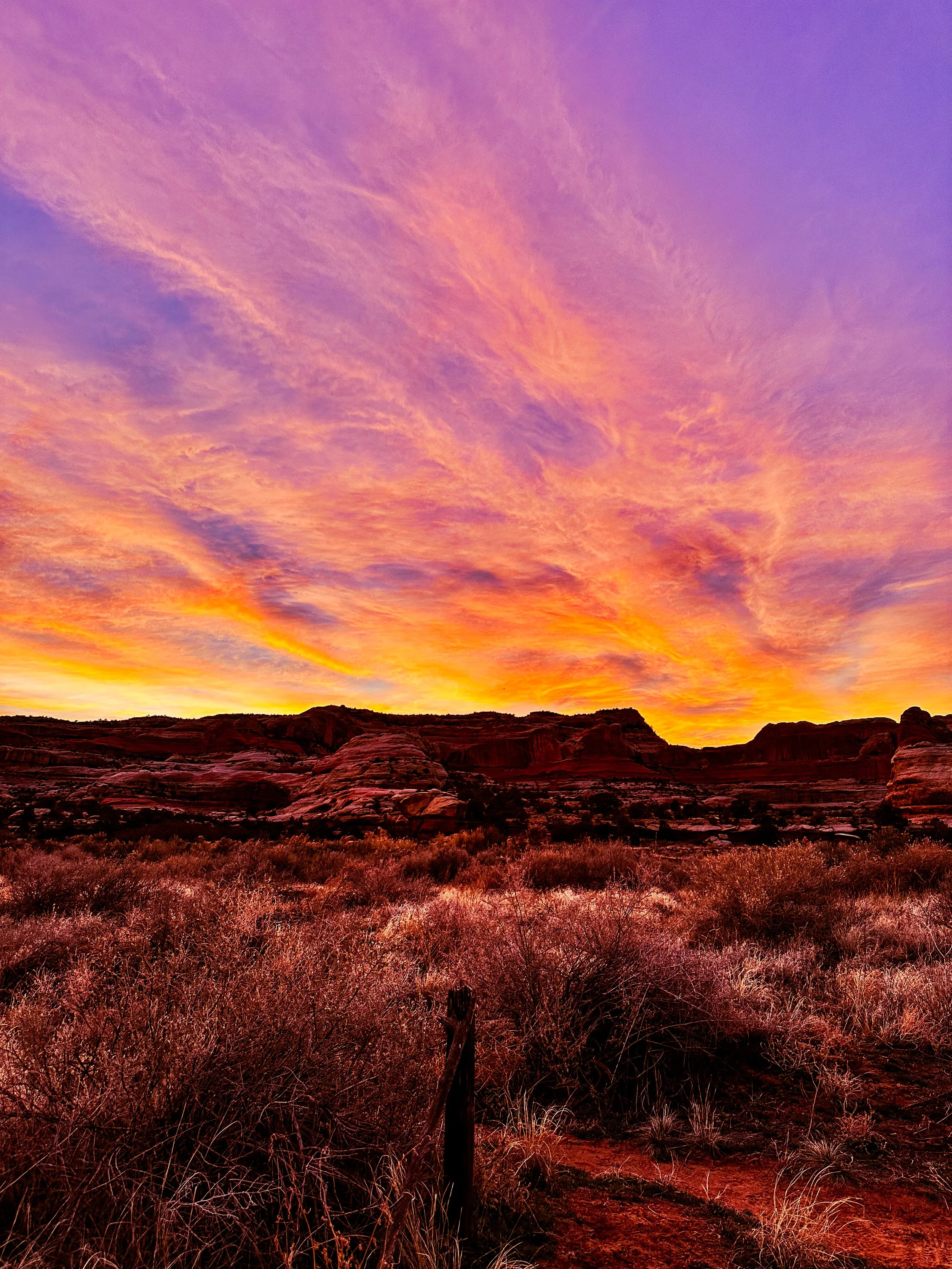
Backpacking Salt Creek Canyon: Canyonlands Needles District
Camps at SC2, SC4, and Lost Canyon 1 - Arches, Ruins, Pictographs, Reliable water and zero crowds.
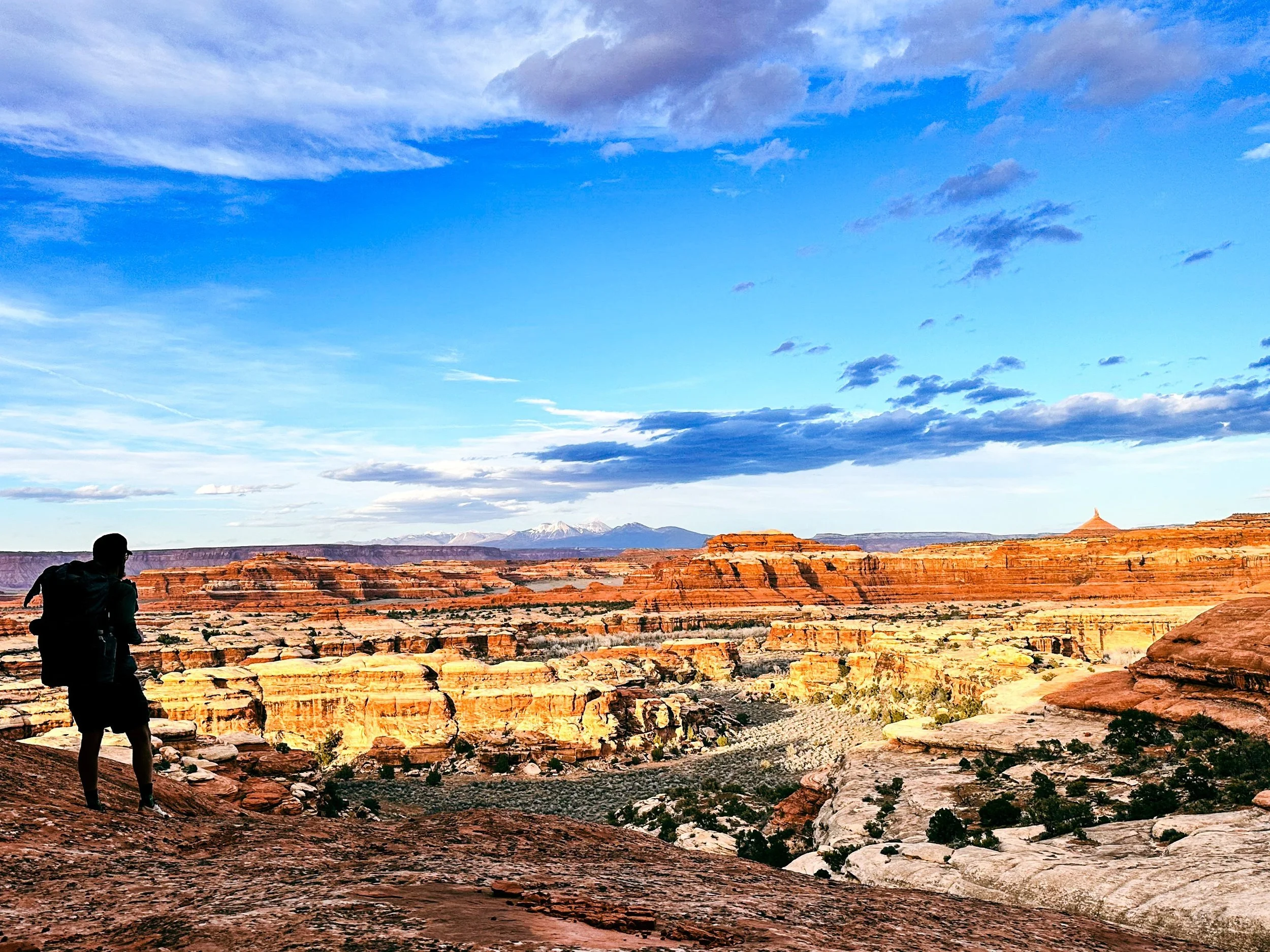
Peekaboo trail ↦ Lost Canyon
There’s something special about the desert in early spring.
While much of the hiking world is still waiting for snow to melt, the canyon country of southern Utah quietly opens up. Cottonwoods begin waking up along the canyon floor, water flows through desert creeks, and the crowds haven’t arrived yet.
From March 12-15, I spent three nights trekking through Salt Creek Canyon, one of the most historic and remote routes in Canyonlands National Park.
This wasn’t a trek defined by elevation gain or technical terrain. Instead, it was defined by solitude, desert water, Ancestral Puebloan ruins, and the constant reminder to watch where you step to avoid those prickly pear and beavertail cactus waiting for your mis-step.
Quick look at the trek ⤵
Day-by-Day Itinerary
Day 1 - Into the Canyon (Cathedral Butte Trailhead ➢ SC2) | Mileage: ~5 miles
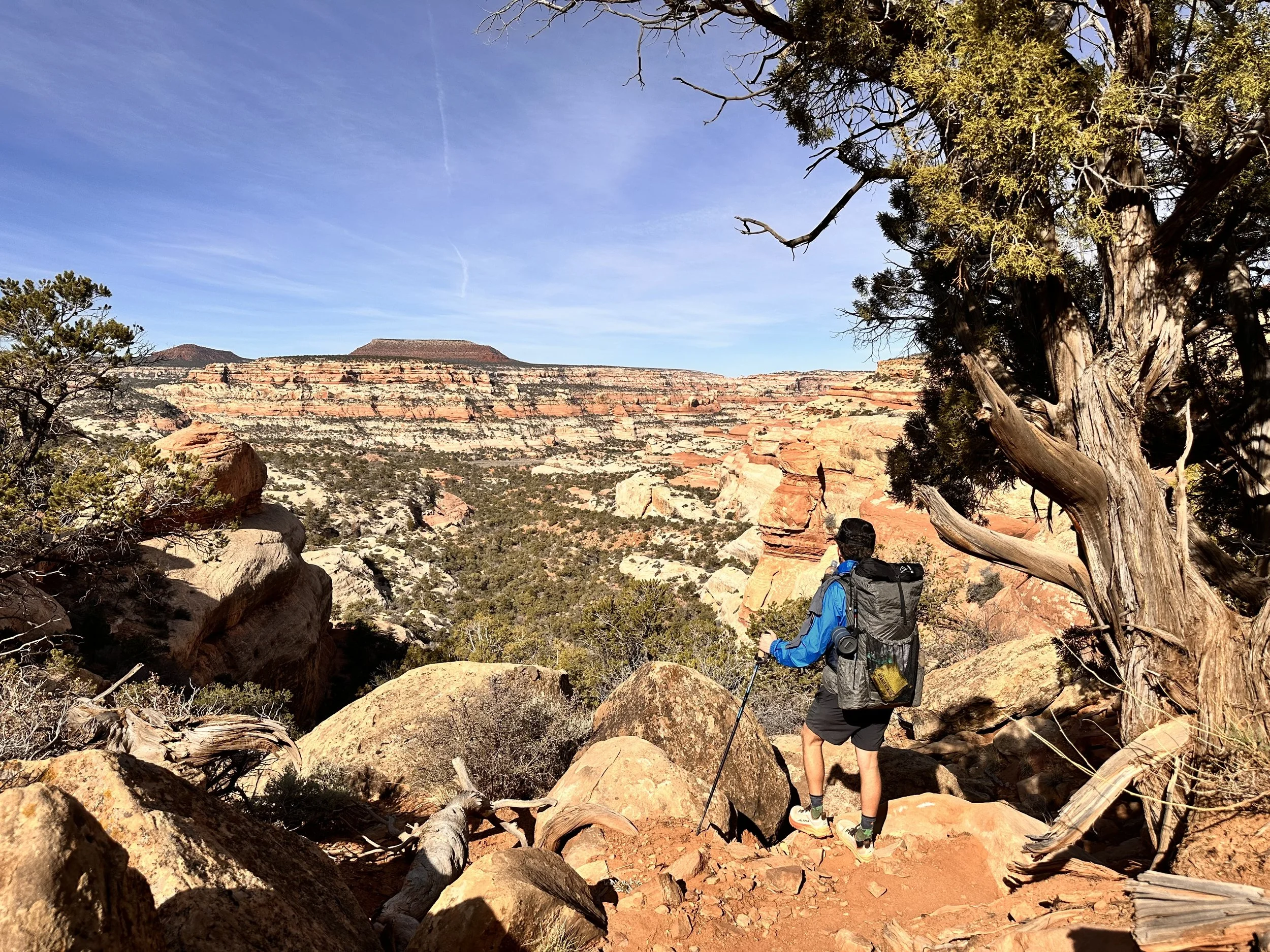
Cathedral Butte. Looking down into Salt Creek Canyon.
You start off on top of Cathedral Butte in a Pinyon Pine & Juniper forest. You traverse down the Butte. ~1,000 ft down and a couple miles down you make it to the bottom of salt creek canyon.
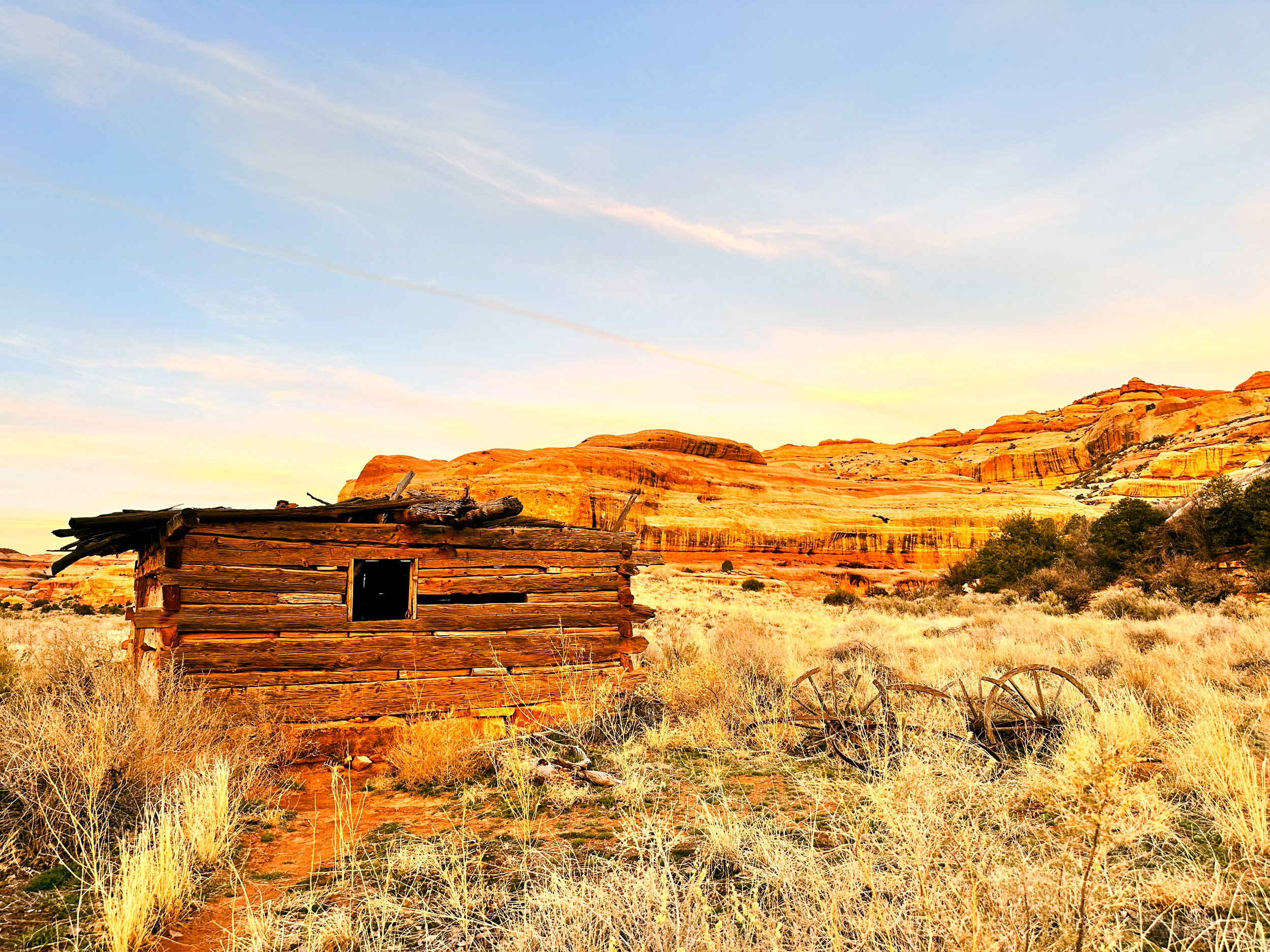
Kirk’s cabin. Built around 1889-1890 by homesteader Rensselaer Lee Kirk.
As you approach Kirk’s cabin and SC1 & SC2, the canyon really begins to open up and the vibe shifts. This is where Salt Creek starts to feel alive and ancient.
Expect:
Steep decline right from the start
Then faint trail sections bushwhacking through the overgrown muddy marsh areas (keep an eye out for colored ribbons marking the trail through).
That first feeling of “okay, I’m really out here now”
Ty Treks note:
Don’t rush this day. It’s short for a reason, let the desert slow you down.
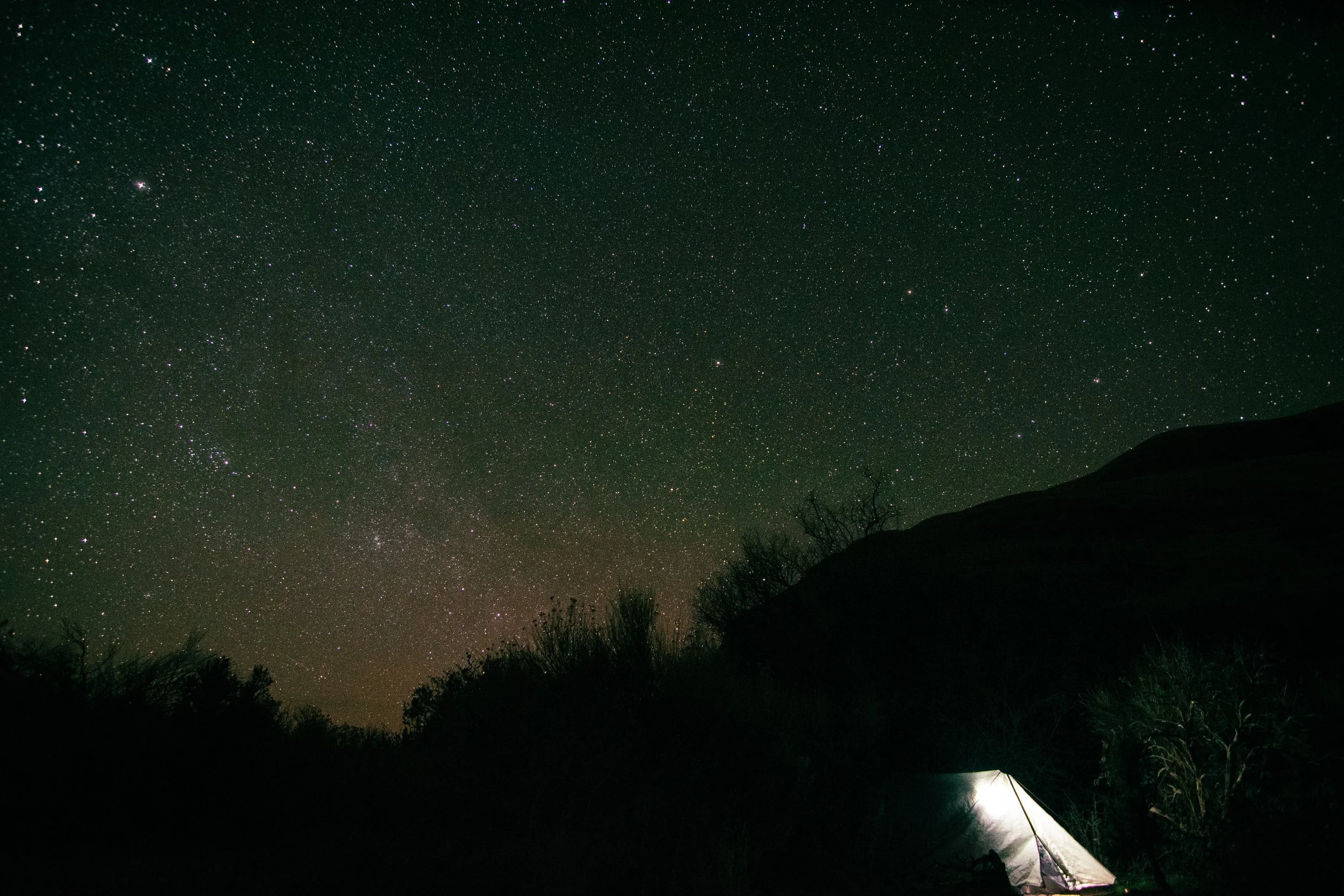
SC2 campsite under the stars
Day 2 - Into the Heart of Salt Creek (SC2 ➢ SC4) | ~12 miles (so many side canyons with native ruins to explore)
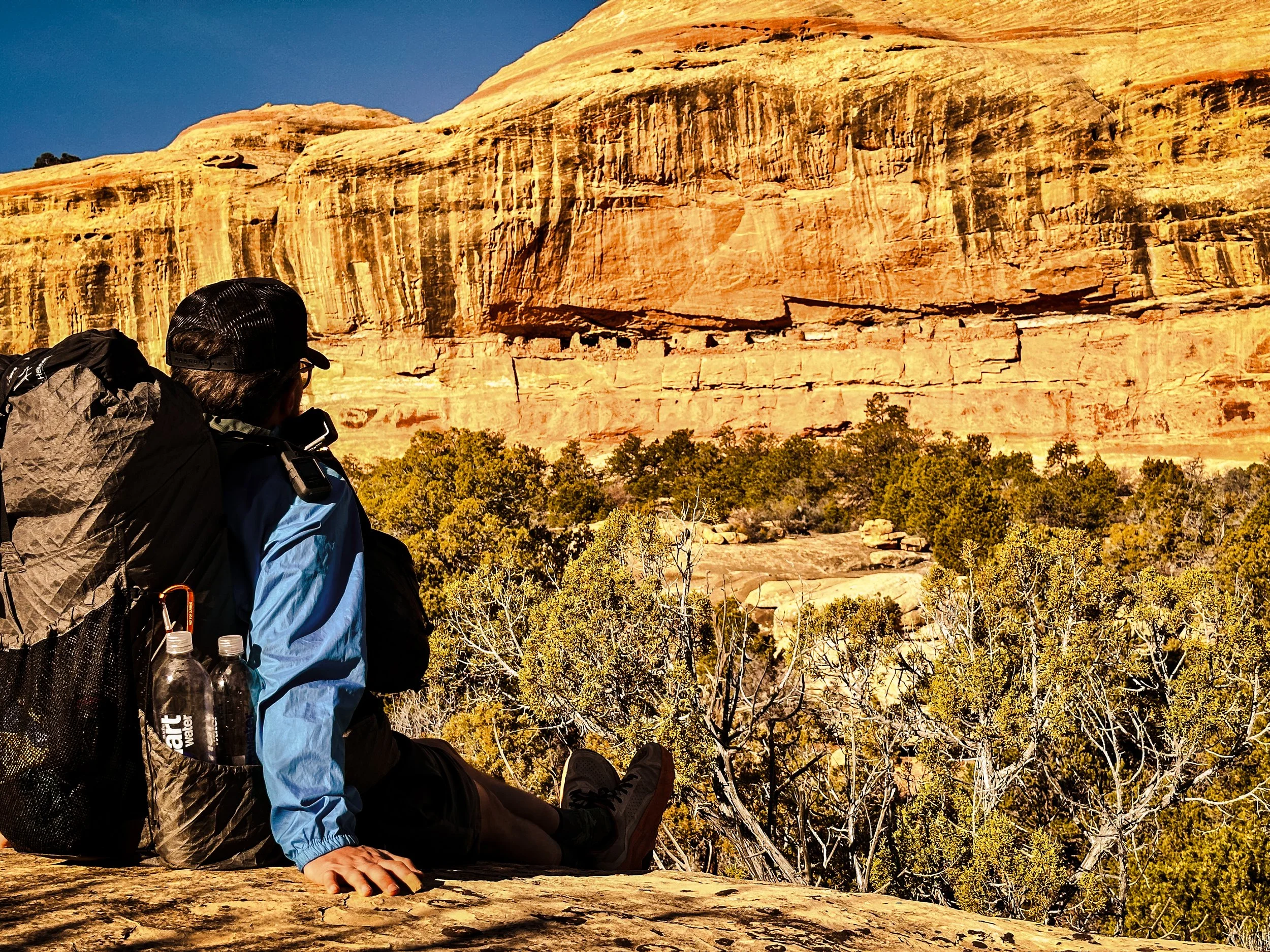
Big ruins
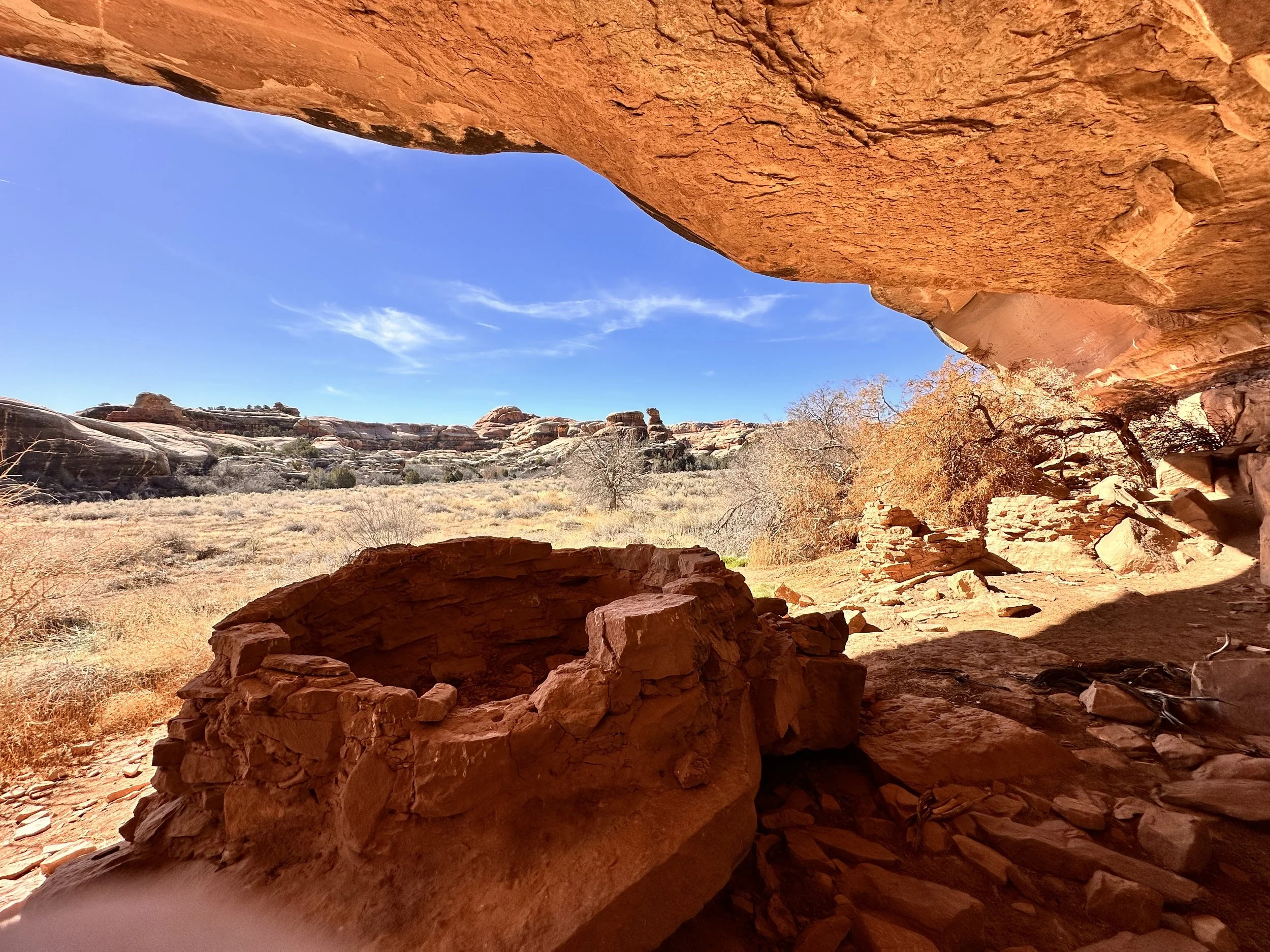
This is the soul of the trek. Salt Creek Canyon holds some of the best preserved ancestral Puebloan sites in Canyonlands.
Granaries and ruins sit high in sandstone alcoves, tucked into places that feel almost impossible to reach.
Standing below them, it’s hard not to imagine the people who once lived here.
This canyon wasn’t always wilderness. It was once a home.
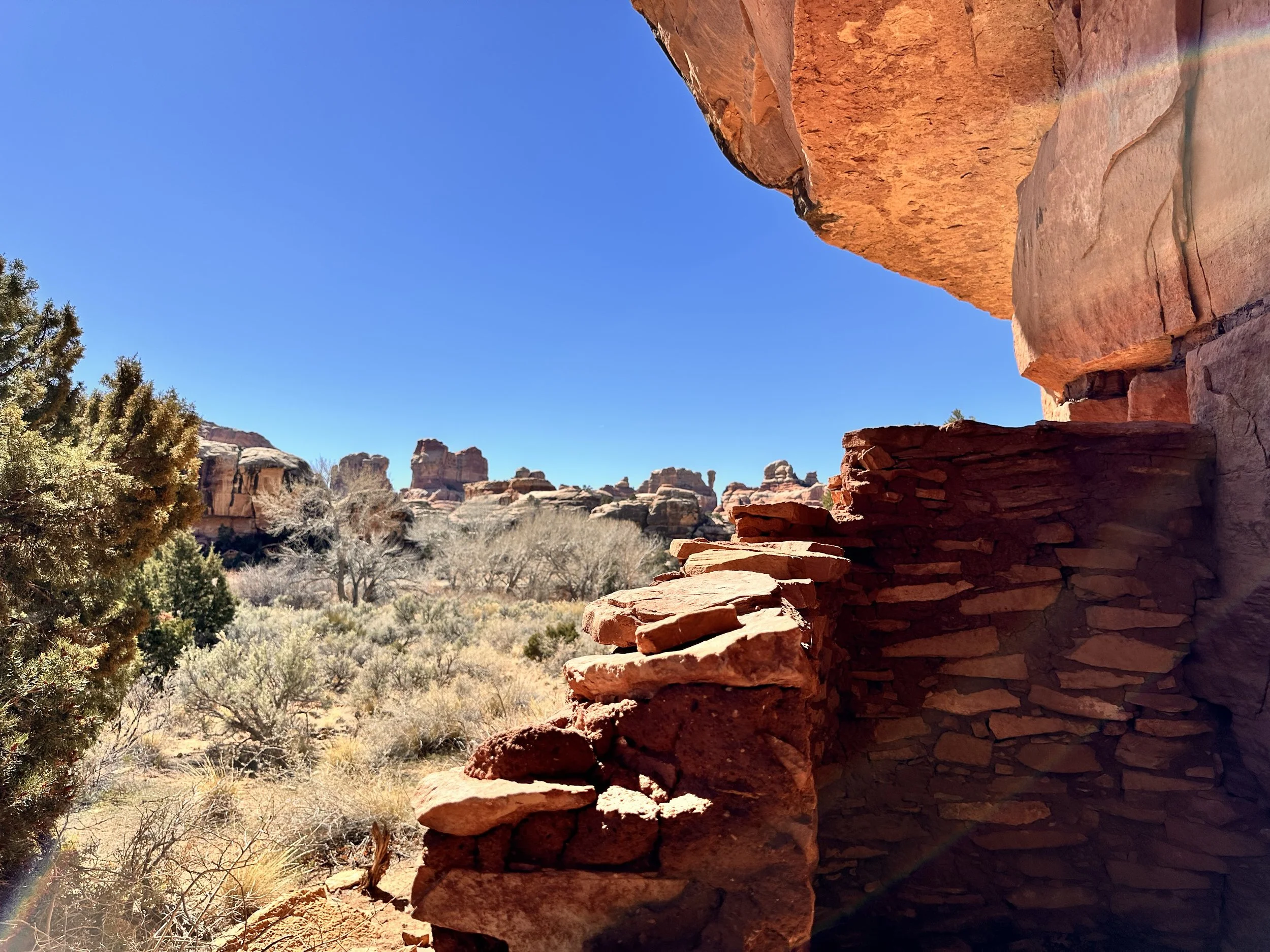
You’ll start seeing:
Ancient Ancestral Puebloan ruins
Arches tucked into canyon walls
Sections where the trail disappears into marshy ground
This stretch keeps you on your toes:
Overgrown vegetation
Tamarisk grabbing at your legs
Occasional route-finding moments
It’s not hard because of elevation, it’s challenging because in the midst of always looking up (arches, ruins, red rock formations) a mis-step can have you in cactus, youch!
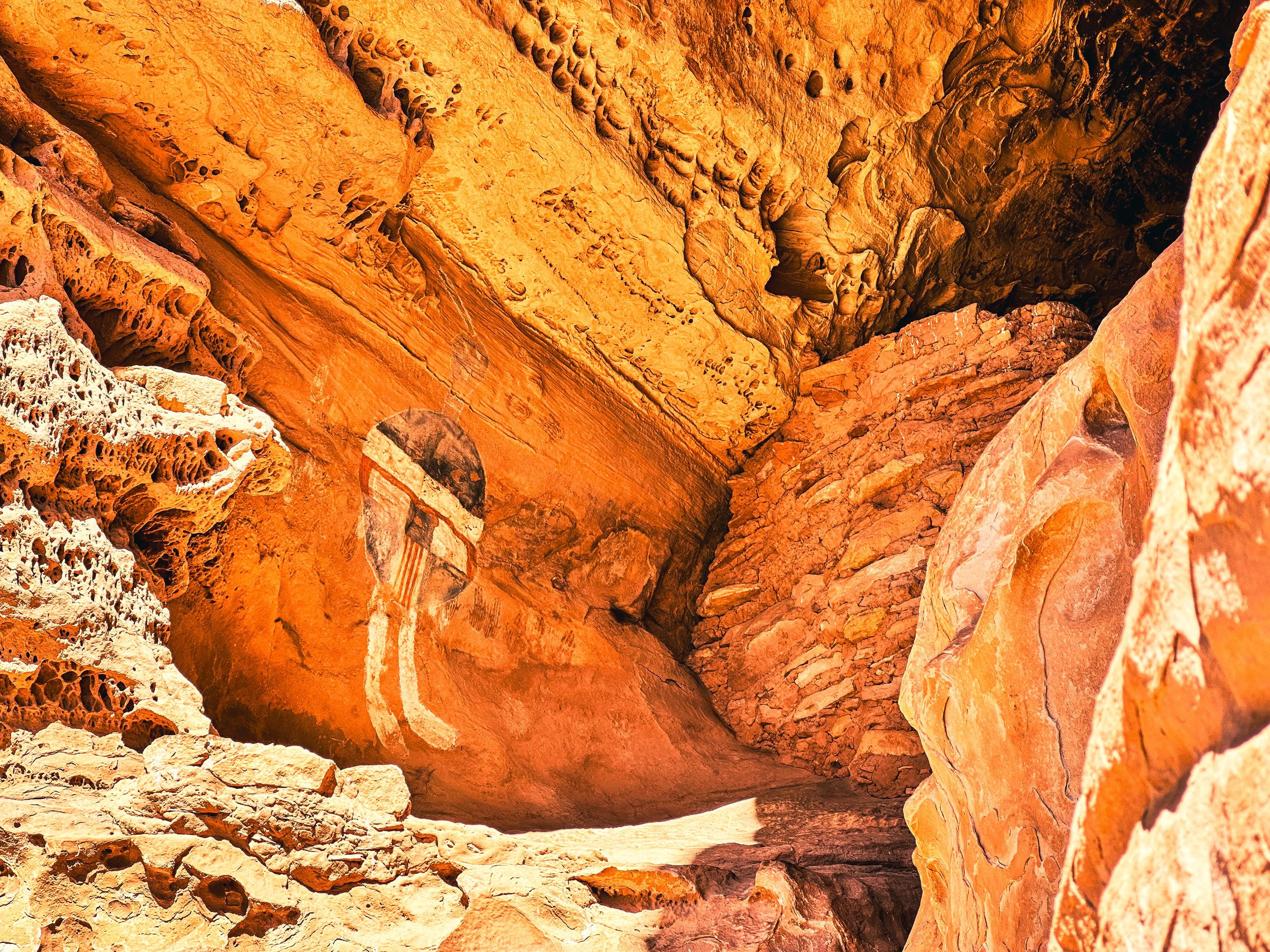
All American Man pictograph
Ty Treks note:
This is the day you stop thinking about miles and start noticing everything else. History, silence, and how wild and peaceful this place feels.
Day 3 - The Quiet Grind (SC4 ➢ Peekaboo Trail ➢ Lost Canyon 1) | ~16 miles
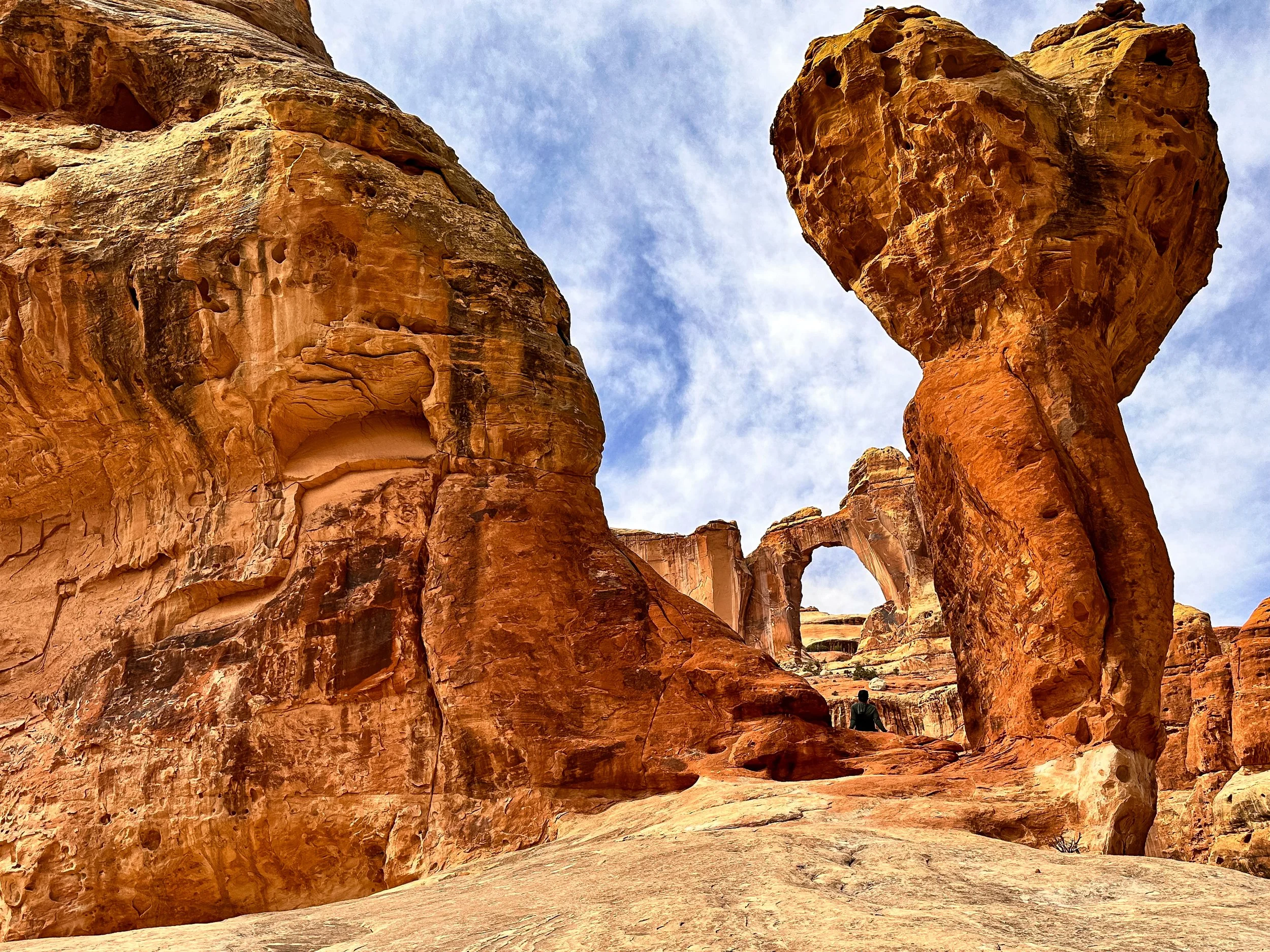
Angel Arch
This day feels longer… because it is.
More people as you get closer to Peekaboo. More campers as you come across the Salt and Horse zones (which I might consider getting a permit for next time as an option to make this into a 4 night stay).
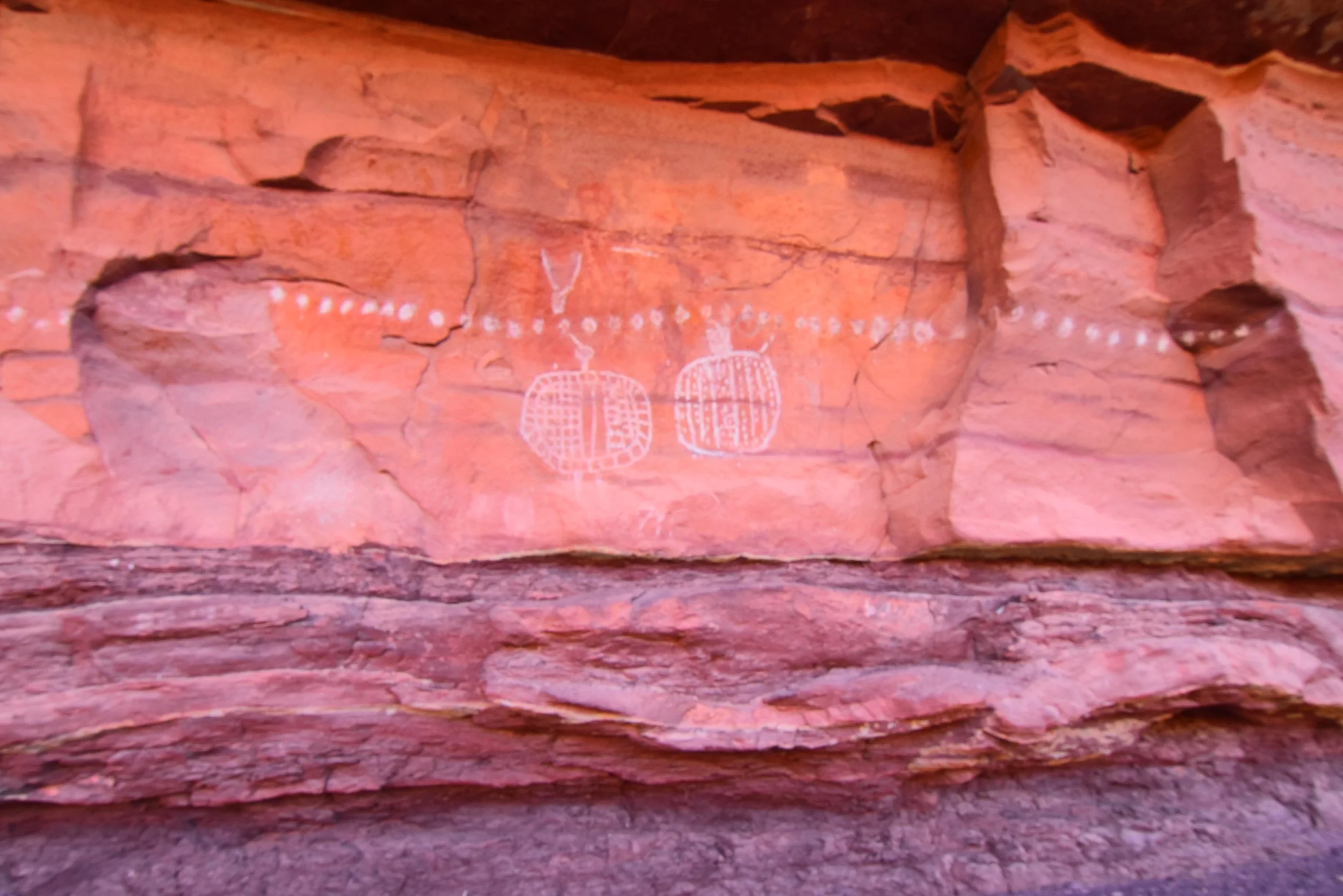
Peekaboo pictograph
You continue down Salt Creek with a worth while side trek to Angel Arch (~3 miles out and back). Had lunch here and continued on, eventually transitioning toward Peekaboo Canyon trail toward Lost Canyon. The terrain starts to change.
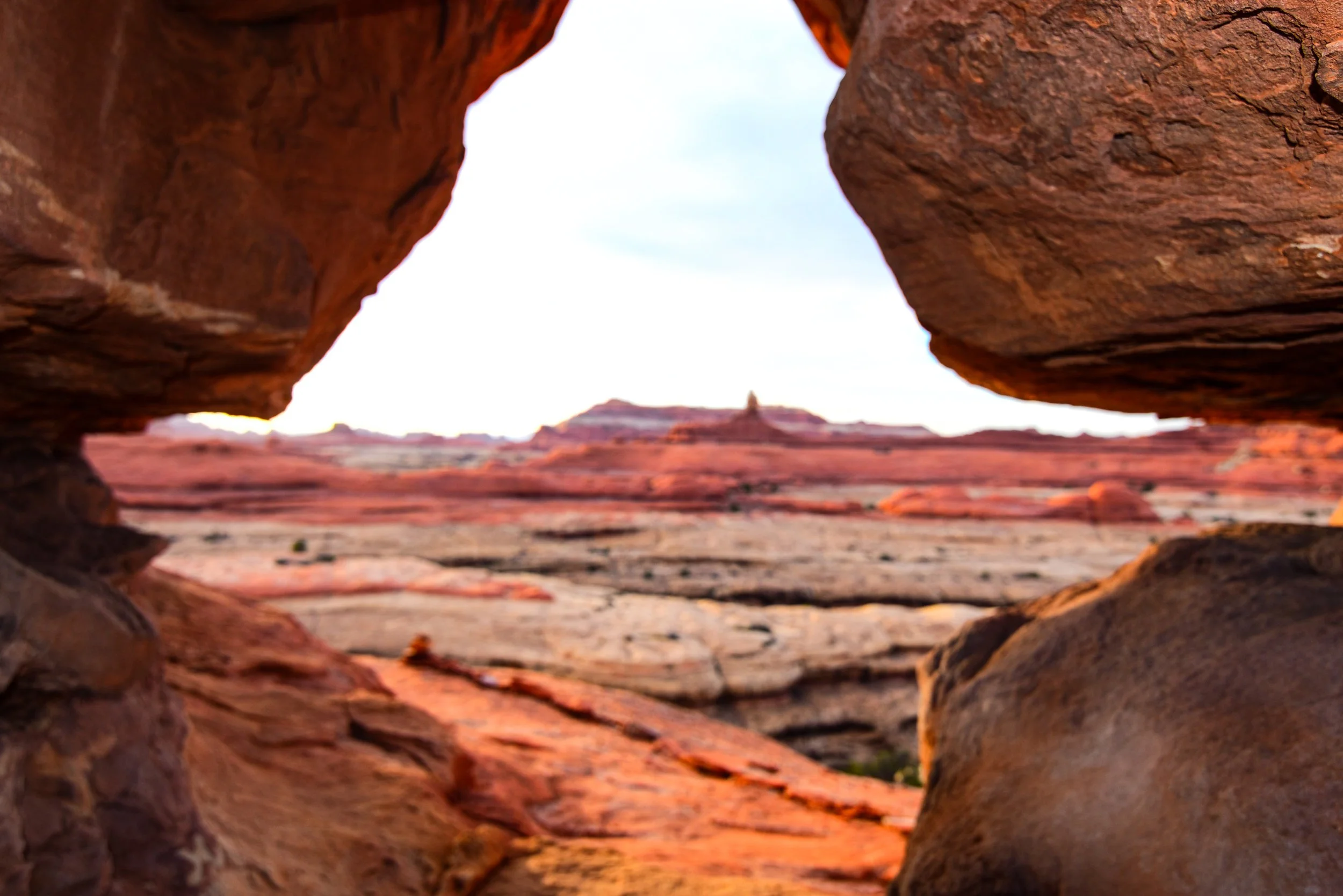
Peekaboo window
More slickrock navigation
Going from being in a wild canyon to feeling like you’re on top of Canyonlands. Wide open canyon views.
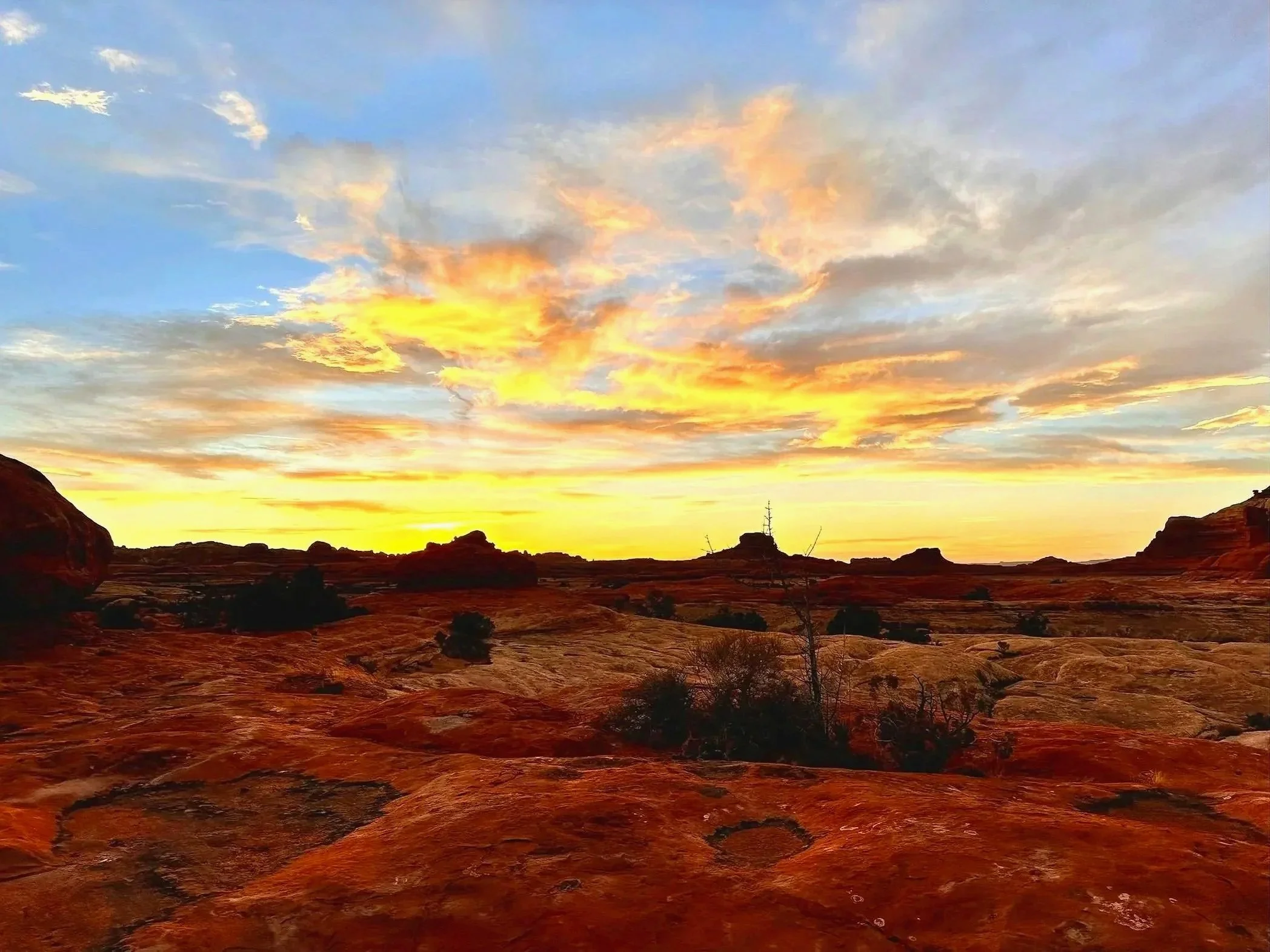
Incredible reward to end day 3 trekking with these incredible views at sunset.
Arriving at LC1 feels earned.
Ty Treks note:
I’m so glad I reserved LC1 campsite and was able to take the Peekaboo trail as the sun set. It was a perfect way to end day 3 of the trek.
Day 4 - The Climb Out (LC1 ➢ Needles Campground) | ~3 miles
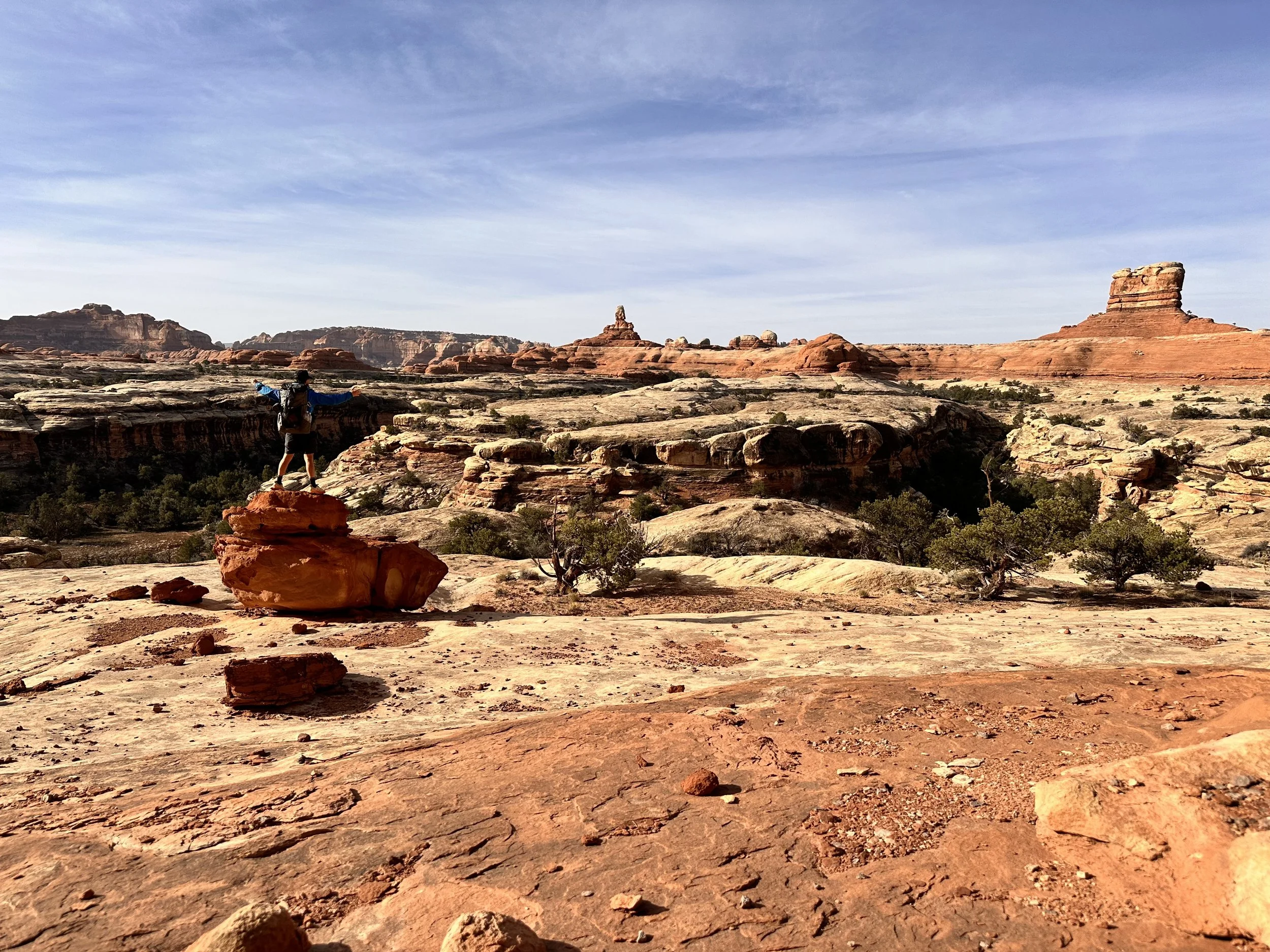
The final day is short but it doesn’t give itself away easily.
You’ll climb up and out via slickrock as you continue back along the Peekaboo trail.
Steep sections
Route finding across slickrock
Big, wide-open exposure
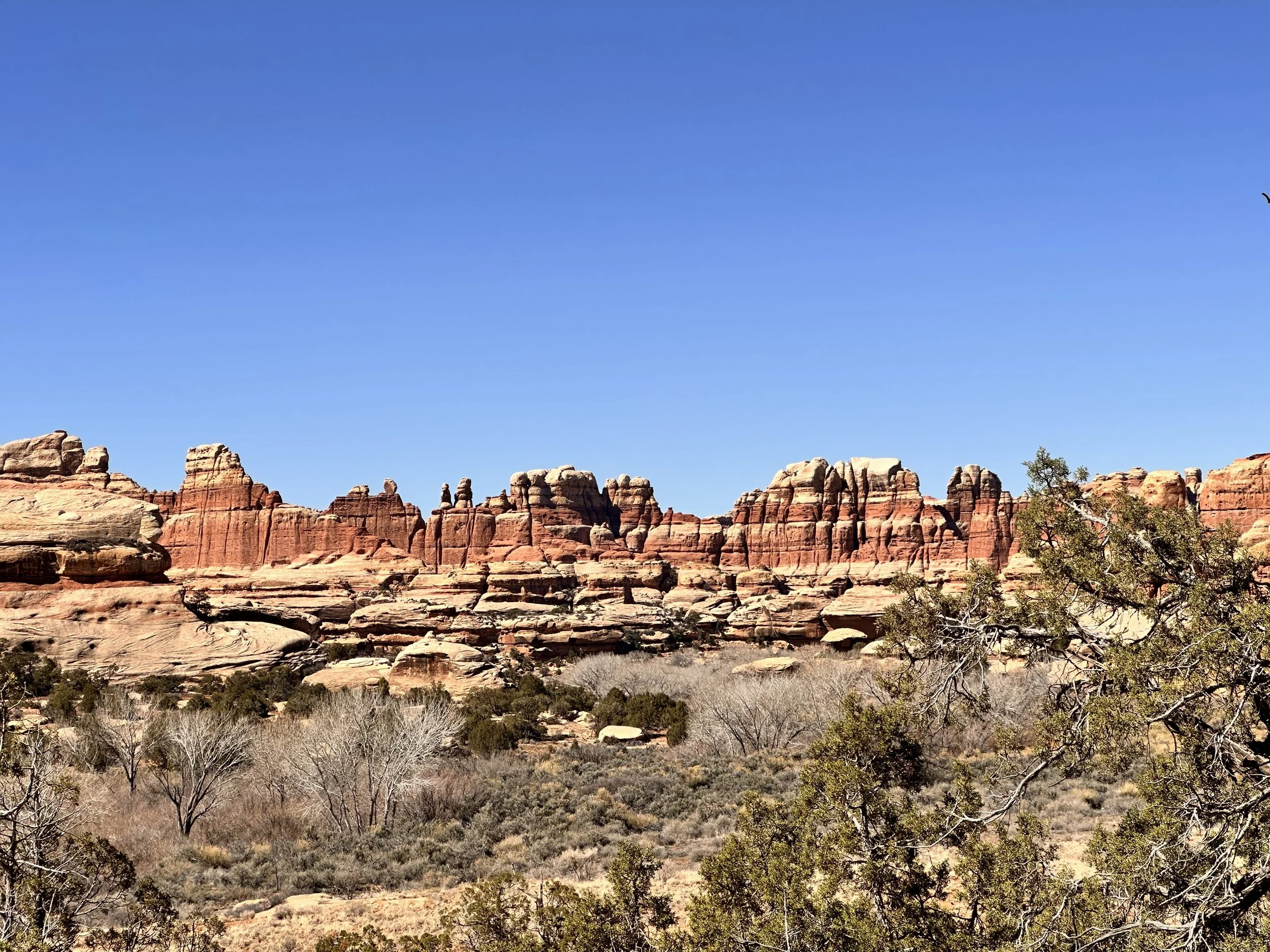
But then… you hit those views.
The kind that make you stop mid-step and just take it in. Looking back over where you came from hits different after a few days out there.
Ty Treks note:
This is one of those exits where you feel both tired and not quite ready to leave. Gratitude for an awesome 4-day trek.
Planning & Logistics
Permits: Recreation.gov | campsite permits fill up fast, I booked the campsites a couple months prior to this trip. It’s always a gamble booking for early spring, but got lucky this trek with great weather.
Shuttle/vehicle strategy: Since this was a solo trip for me, I parked at the trail exit (Needles campground) and used Coyote Shuttle to drop me off at the Cathedral Butte trailhead.
Getting there: Off Hwy 191 in-between Moab and Monticello you head west on 211 that takes you to the Needles Visitor Center and campground.
Best time & weather prep: As always with Southern Utah, Spring & Fall are the best times. Specifically for Salt Creek Canyon, water reliability is best in Spring. Although, the fall would be beautiful with all the cottonwood trees down in the canyon (maybe next time), depending on water availability.
Leave no Trace: Salt Creek isn’t just a beautiful place, it’s a living piece of history. Respect the ruins, leave everything as you found it, and let the next person feel the same quiet connection you did.
Gear & Tips
Backpack weight: ~32 pounds (base + water & food + camera equipment)
Gear MVP: Durston X-mid 1 trekking pole tent (lightweight and easy setup)
Navigation app: OnX Backcountry
Water strategy: Water filter + aqua tablets (backup plan), filter can clog as this water is brackish with natural salt and minerals.
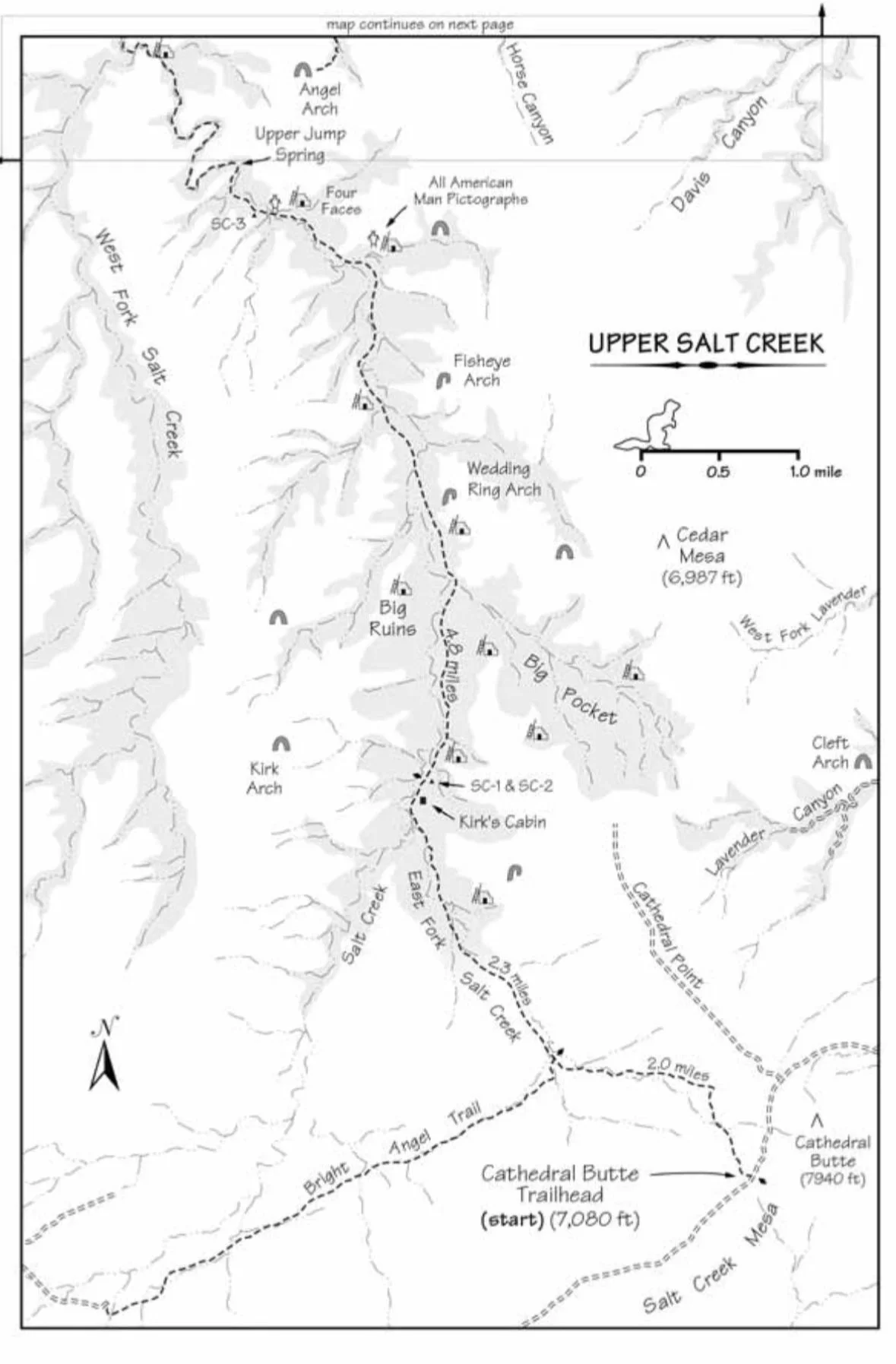
Map credit: utahtrails.com
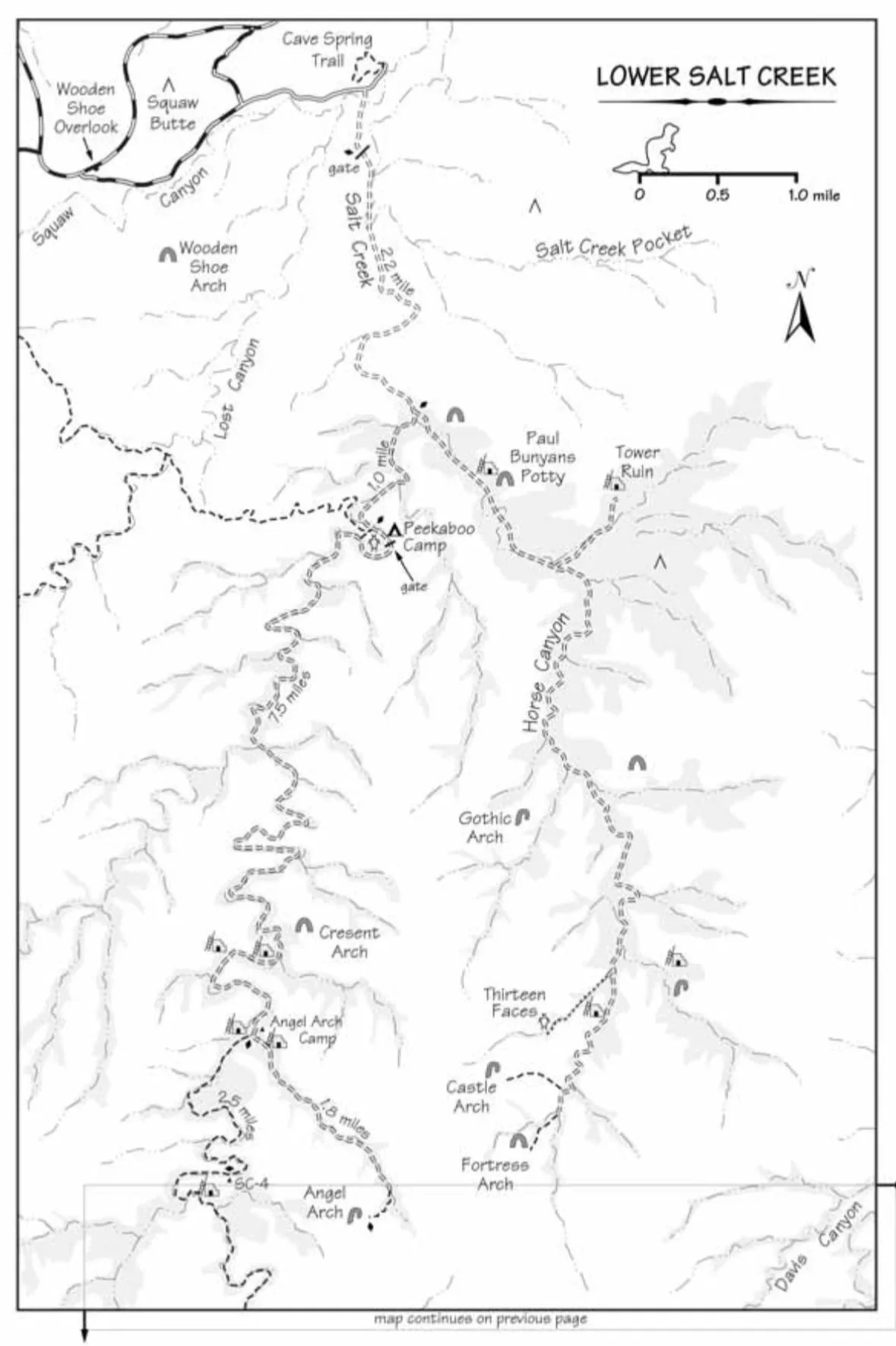
Map credit: utahtrails.com
Watch the full adventure ⤵
Final Thoughts
Salt Creek Canyon isn’t flashy. It doesn’t have towering summits or dramatic exposure. What it offers instead is something rarer:
History, solitude and water in the Canyonlands.
If you’re looking for a drier, loop-style route in Canyonlands Needles District, check out my Elephant Canyon to Chesler Park loop. Featuring Druid Arch, the Joint Trail and some of the best views of the Needles.
And a reminder that sometimes the best thing you can do is simply keep on walking.
Life is meant to be lived out there.
— Ty Treks